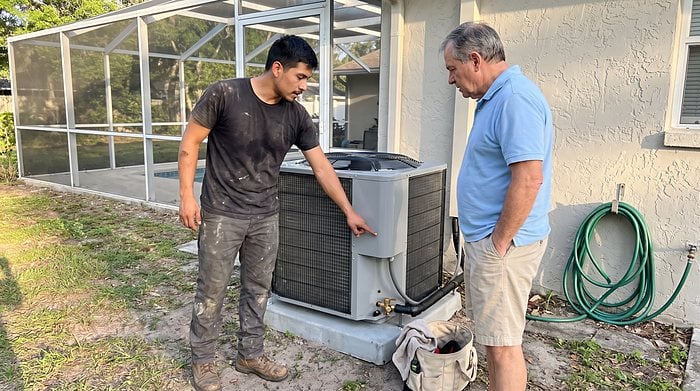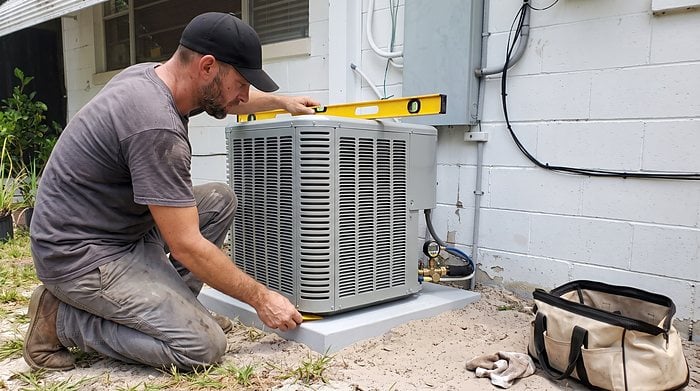
If you replaced an air conditioner in 2023 and are comparing that invoice with a 2026 quote, the difference can be substantial. For a typical Orlando-area homeowner, a complete central AC replacement can commonly fall around $5,000 to $12,000+, depending on system size, efficiency, equipment, installation requirements, and the condition of the existing ductwork and electrical system.
The increase is not explained by one contractor simply raising prices. Since 2023, the HVAC industry has moved through major refrigerant regulations, new equipment requirements, higher efficiency standards, changing metals tariffs, and additional training and service requirements. Understanding those changes makes today's quote much easier to evaluate.
How Much Does a New AC Cost in Orlando in 2026?
A new AC price is more than the equipment sitting outside your house. The total installation can include the outdoor condenser, indoor air handler or coil, refrigerant-related components, labor, electrical connections, permits, startup testing, removal of the old system, and other work required to bring the installation up to current code.
As a general planning range, homeowners may encounter prices such as:
- Basic central AC replacement: roughly $5,000–$8,000
- Higher-efficiency system: roughly $7,000–$10,000+
- More complex replacement: roughly $9,000–$12,000+
- Major ductwork, electrical, or installation modifications: potentially above $12,000
These are broad budgeting ranges, not fixed Orlando prices. A 2-ton replacement in an easily accessible installation can have very different costs from a 4-ton system requiring electrical modifications, duct repairs, or difficult attic access.
That is why comparing only the equipment price can be misleading. Two contractors can quote the same nominal tonnage while proposing different efficiency levels, installation practices, warranties, permits, and included work.
Why Did the HVAC Equipment Change After 2023?
The difference between a 2023 residential AC and equipment available in 2026 is not simply the refrigerant inside the system. Federal refrigerant transition requirements pushed manufacturers toward lower-GWP refrigerants, which also changed equipment design, safety controls, service procedures, and installation requirements. Those changes help explain why today's replacement can cost more than a comparable installation did two years ago.
New Refrigerant Requirements
Beginning January 1, 2025, manufacturers and importers faced restrictions on producing new residential air-conditioning and heat-pump equipment using certain higher-GWP HFC refrigerants under EPA Technology Transitions rules. Existing R-410A systems were not automatically required to be replaced. Instead, the change primarily affected the equipment homeowners could purchase for a new installation.
A2L Systems Need Changes
Newer systems commonly use lower-GWP A2L refrigerants such as R-454B or R-32. These refrigerants have different characteristics from R-410A, so manufacturers had to redesign equipment around updated safety requirements, controls, and installation procedures. The result is a newer generation of HVAC equipment that involves more than simply charging an existing system with a different refrigerant.
Added Detection And Controls
A2L equipment can incorporate additional safety components, including refrigerant detection and control functions. Depending on the equipment design, these components can include sensors, wiring, controls, and related safety features. More components can mean additional installation and diagnostic considerations compared with older R-410A equipment, particularly when a contractor is replacing an aging system.
Updated Contractor Equipment
The refrigerant transition also affects the technicians installing and servicing these systems. Contractors need equipment and procedures appropriate for the refrigerant being used, along with current training for safe handling and recovery. Recovery machines, leak-detection equipment, gauges, and other service tools represent real operating costs that can ultimately be reflected in professional installation pricing.
Existing Parts Need Verification
A replacement is not automatically a drop-in swap for the equipment installed in 2023. The contractor needs to verify whether the existing line set, electrical components, controls, condensate system, and other accessories are compatible with the proposed equipment. If something does not meet the new system's requirements, additional material and labor can increase the installation cost.
That is why a 2026 replacement quote should be based on the complete installation, not just the advertised equipment price. A proper air conditioning installation should account for equipment compatibility, refrigerant requirements, electrical connections, startup procedures, and any modifications needed at the home.
How Does the HFC Phasedown Affect AC Prices?
The equipment transition is connected to a broader federal refrigerant policy. Under the American Innovation and Manufacturing Act, the United States is reducing the production and import of HFCs according to a published schedule.
| Period | Allowance as Share of Baseline |
|---|---|
| 2020–2023 | 90% |
| 2024–2028 | 60% |
| 2029–2033 | 30% |
| 2034–2035 | 20% |
| 2036 and later | 15% |
The industry is currently within the 60% period running from 2024 through 2028. The important point for homeowners is that this is a scheduled transition rather than a temporary shortage.
R-410A remains legal for servicing existing equipment. However, no new residential equipment is being produced around the refrigerant under the current transition rules, while a large installed base still requires service. That can affect the economics of keeping an older system running.
Did New Efficiency Standards Also Increase the Price?
Yes. Refrigerant regulations are not the only reason today's equipment differs from a 2023 system. SEER2 replaced the previous SEER testing procedure beginning January 1, 2023, and Florida falls under the Southeast efficiency requirements.
For split-system air conditioners in the Southeast:
- Systems below 45,000 BTU must meet 14.3 SEER2
- Systems at or above 45,000 BTU must meet 13.8 SEER2
- The applicable standard is based on the installation requirements, not simply when the equipment was manufactured
This matters because a homeowner cannot simply ask a contractor to install an older, cheaper system that does not meet the applicable minimum.
Higher efficiency generally requires equipment and components designed to achieve that performance. While efficiency should not be viewed as the only factor in a replacement decision, the minimum equipment available today is subject to standards that did not apply in exactly the same way to older installations.
How Have Steel, Aluminum, and Copper Prices Affected AC Costs?
An air conditioner contains substantial amounts of metal. Copper appears in coils and refrigerant lines, aluminum is used extensively in coils and fins, and steel is used throughout equipment cabinets and structural components.
That makes HVAC equipment sensitive to changes in metals pricing and tariffs.
Section 232 tariffs have affected steel, aluminum, and copper-related imports, and the applicable rates have changed during the period covered by this comparison. The draft source also notes partial relief introduced in 2026 for certain residential HVAC systems and components.
The practical takeaway is that tariff effects should not be treated as a permanent fixed percentage added to every AC installation. Unlike the refrigerant transition, tariff policy can change.
That is one reason a contractor should be able to explain the actual equipment and installation costs in your proposal rather than simply saying, "Everything is more expensive."
Why Does Replacing an Older AC Cost More Than the Equipment Price?
The equipment is only one part of an Orlando AC replacement. The final price also reflects labor, refrigerant recovery, electrical work, permitting, startup testing, and any modifications needed to make the new system work correctly with the existing home. A quote that looks expensive may include considerably more work than a basic equipment swap.
A complete replacement proposal may include:
- New indoor and outdoor equipment
- Removal and disposal of the existing system
- Refrigerant recovery and required A2L procedures
- Electrical, disconnect, drain, or condensate modifications
- Permit, inspection, startup, and commissioning
- Labor and manufacturer warranty coverage
For example, a $6,000 replacement and a $9,000 replacement are not necessarily competing bids for the same installation. Equipment efficiency, system capacity, warranty coverage, electrical modifications, line-set work, duct transitions, and permit costs can all change the final number. Always compare the scope of work before comparing the dollar amount.
What Is Driving New AC Prices Higher in 2026?
The price increase homeowners are seeing in 2026 is tied to several industry changes rather than one single surcharge. The refrigerant transition, A2L equipment requirements, higher-efficiency standards, labor, training, and material costs can all affect the installed price of a new system in Orlando.
| Cost factor | How it affects a 2026 replacement |
|---|---|
| A2L refrigerant systems | New equipment requires updated installation practices and compatible components |
| Refrigerant transition | Manufacturers have moved residential equipment toward lower-GWP refrigerants |
| SEER2 efficiency requirements | Higher-efficiency equipment can carry a higher equipment and installation cost |
| Technician training | Contractors need updated knowledge, tools, and procedures for newer systems |
| Copper, aluminum, and steel | Material costs influence equipment and installation pricing |
| Local installation requirements | Permits, electrical work, drainage, and other site conditions affect the final price |
Not every increase is permanent or predictable. Equipment availability, labor rates, commodity prices, manufacturer pricing, and local installation conditions can change throughout the year. That is why a general national price does not necessarily represent what an Orlando homeowner will actually pay.
Is It More Expensive to Keep an Old R-410A AC Running?
Keeping an older R-410A system can still be reasonable when the equipment is reliable and repairs are relatively minor. Existing R-410A systems can continue to be serviced. The financial question changes when an aging system develops repeated refrigerant leaks, major component failures, or increasingly expensive repairs.
Before deciding between another repair and replacement, look at the pattern rather than one isolated service call. Replacement deserves closer consideration when:
- Refrigerant leaks keep returning
- Major components are beginning to fail
- Cooling performance has noticeably declined
- Repair costs are becoming frequent
- Energy consumption has increased substantially
- The system is approaching the end of its service life
A refrigerant leak should also be properly diagnosed instead of repeatedly adding refrigerant. If the leak can be repaired economically, continued operation may make sense. If the system requires repeated leak repairs and other components are aging, putting that money toward replacement may provide a more practical long-term solution.
What Should Be Included in an Orlando AC Replacement Quote?
A useful replacement quote should tell you exactly what is being installed and what the contractor is responsible for completing. This matters even more when comparing prices because two contractors may use similar-looking equipment but include very different installation scopes, warranties, electrical work, or modifications.
Before signing a proposal, confirm these six items:
- Exact equipment: Indoor and outdoor model numbers, capacity, efficiency rating, and refrigerant type.
- Installation scope: Removal, disposal, refrigerant recovery, startup, testing, and commissioning.
- Electrical work: Disconnects, breakers, wiring changes, or other modifications required for the new system.
- Refrigerant and drain work: Line-set condition, condensate drainage, and any required modifications.
- Permits and inspections: Whether local permitting and required inspections are included in the quoted price.
- Warranty and exclusions: Manufacturer coverage, labor warranty, financing costs, and anything specifically excluded.
Proper sizing deserves separate attention. Replacing an old 3-ton system with another 3-ton system simply because that is what the house had before does not establish that the original system was correctly sized. A contractor should evaluate the home's cooling requirements rather than selecting equipment by the old nameplate alone.
In Orlando's hot, humid climate, sizing affects more than temperature. An oversized system can satisfy the thermostat quickly while running for shorter periods, potentially reducing its ability to remove humidity. An undersized system may run for long periods during extreme heat and still struggle to maintain the desired indoor temperature.
Why Choose Jormechanical Air for AC Replacement in Orlando?
The reason a 2026 AC costs more than a 2023 system is not one simple markup. Federal refrigerant requirements, A2L technology, efficiency standards, changing material costs, specialized equipment, and installation requirements have all changed the replacement equation.
At Jormechanical Air, your estimate prices the complete install, labor and materials included, before any work starts. Standard high-efficiency systems run $10,000 to $25,000, depending on size (1 to 5 tons), and a budget economy line runs $6,000 to $8,000. Every install carries one year of labor coverage under Florida license CAC1821345.
If your existing R-410A system is still operating reliably, there is no federal requirement to replace it simply because newer refrigerant rules are in effect. If it is aging, leaking, or requiring increasingly expensive repairs, a detailed replacement quote can help you compare the cost of continuing to repair it against installing newer equipment.